The same scarcity seen in the housing market is now emerging in the office market in Dutch city centers, observes real estate advisor Marco Clarijs. Increasingly, companies are coming up empty‑handed, while developers find it nearly impossible to realize new construction. “There is already no space left for start‑ups and social institutions.”
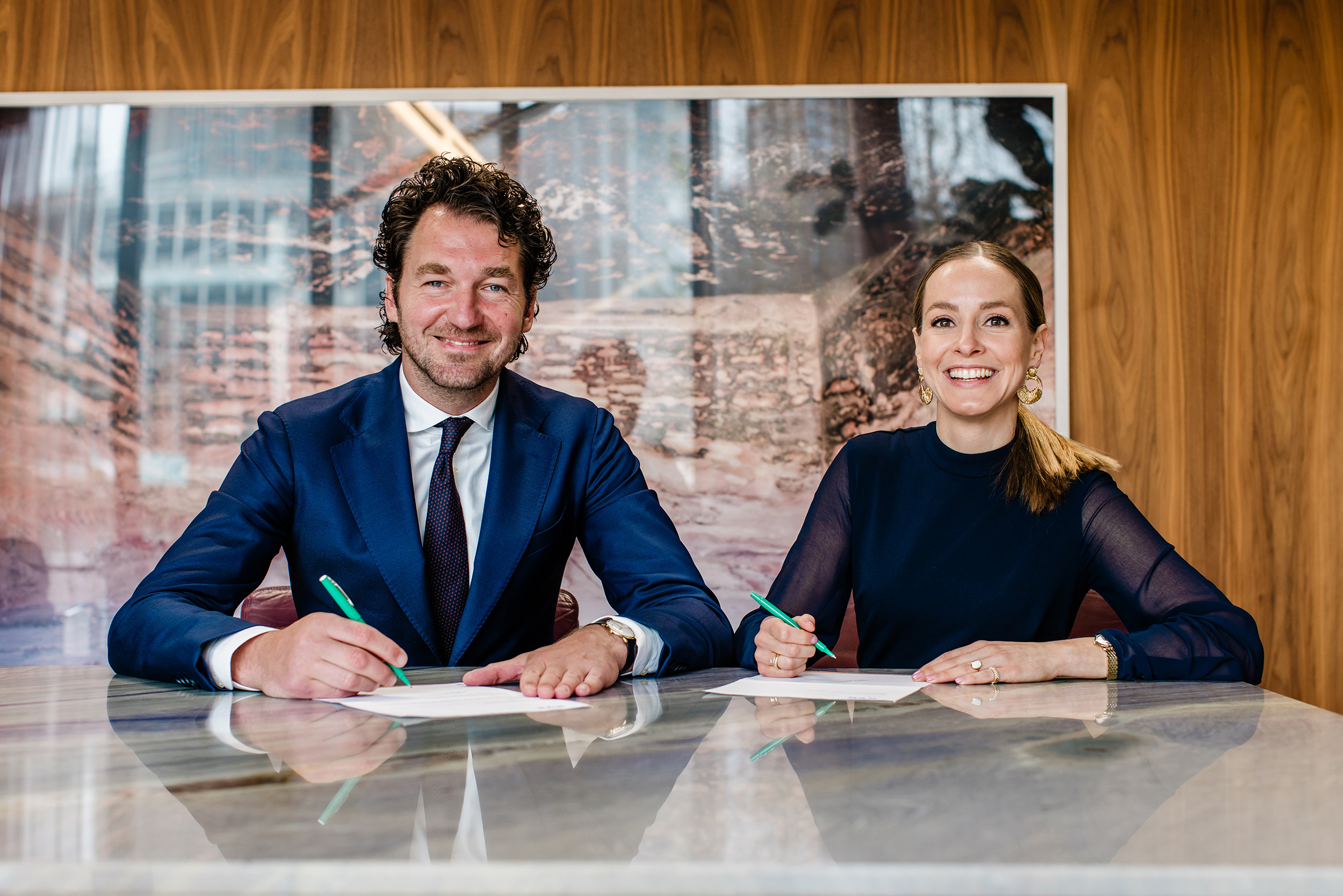
For many years, Marco Clarijs was city leader at CBRE Rotterdam. Together with CBRE colleague Desiree Wolters, who primarily advised international and private investors, he founded boutique real estate advisory firm MADE Real Estate in April. For Rotterdam‑born Clarijs, it doesn’t feel like a leap into the unknown. “I’ve always had the intrinsic motivation to become an entrepreneur. After 12.5 great years at CBRE and with the market entering a downward phase, this is actually the right moment.”
The lack of activity in the investment market doesn’t bother him. “Over the past four years, Desiree and I served the mid‑cap market at CBRE. In our network, private investors in particular see opportunities in this market; until recently, they didn’t want to compete with institutional investors on pricing. Now that many of those institutional players have stepped back, private investors dominate a large share of the investment volume. With MADE Real Estate, we serve the entire Dutch investment market across all sectors. In the occupier market, we focus on the Rotterdam region, especially offices and industrial space. Alongside investors, we’re currently working for several end users searching for new locations.”
Scarcity
According to Clarijs, the real estate market is not nearly as weak as many claim. “We’re talking ourselves into a crisis in the commercial real estate market, but the reality in many cities is different. City centers are practically full, and scarcity has emerged across all real estate sectors. Home seekers can’t find housing, companies can barely find suitable office space, and industrial space for SMEs is extremely limited. Even retail vacancies are being filled again. This broad scarcity is a real problem. And when space is available, it’s often too expensive, putting companies under pressure.”
He sees growing parallels between the commercial real estate market and the housing market. “The office market is heading in the same direction. Many middle‑income home seekers can barely find anything in the city center. The scarcity of office space near public transport hubs is now so severe that there’s no room left for start‑ups and social institutions. Just like in the housing market, there’s no flow. In a healthy market, established companies move into modern offices, allowing start‑ups and social institutions to take their place. In Rotterdam, annual demand in the center is at least 50,000 m². The lowest‑quality offices can then be transformed. But this cycle has stalled in many cities because there is little to no new construction.”
No new construction
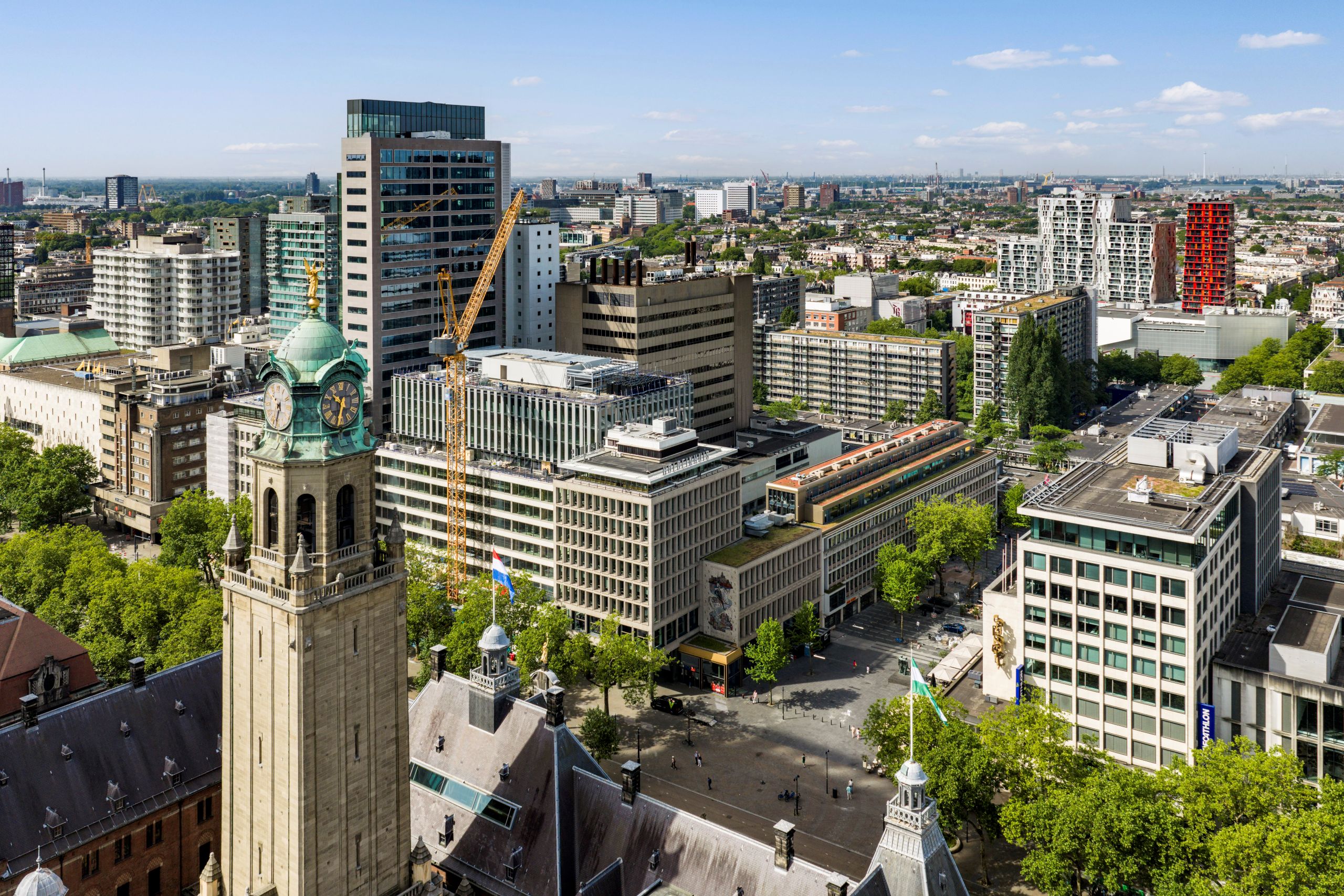
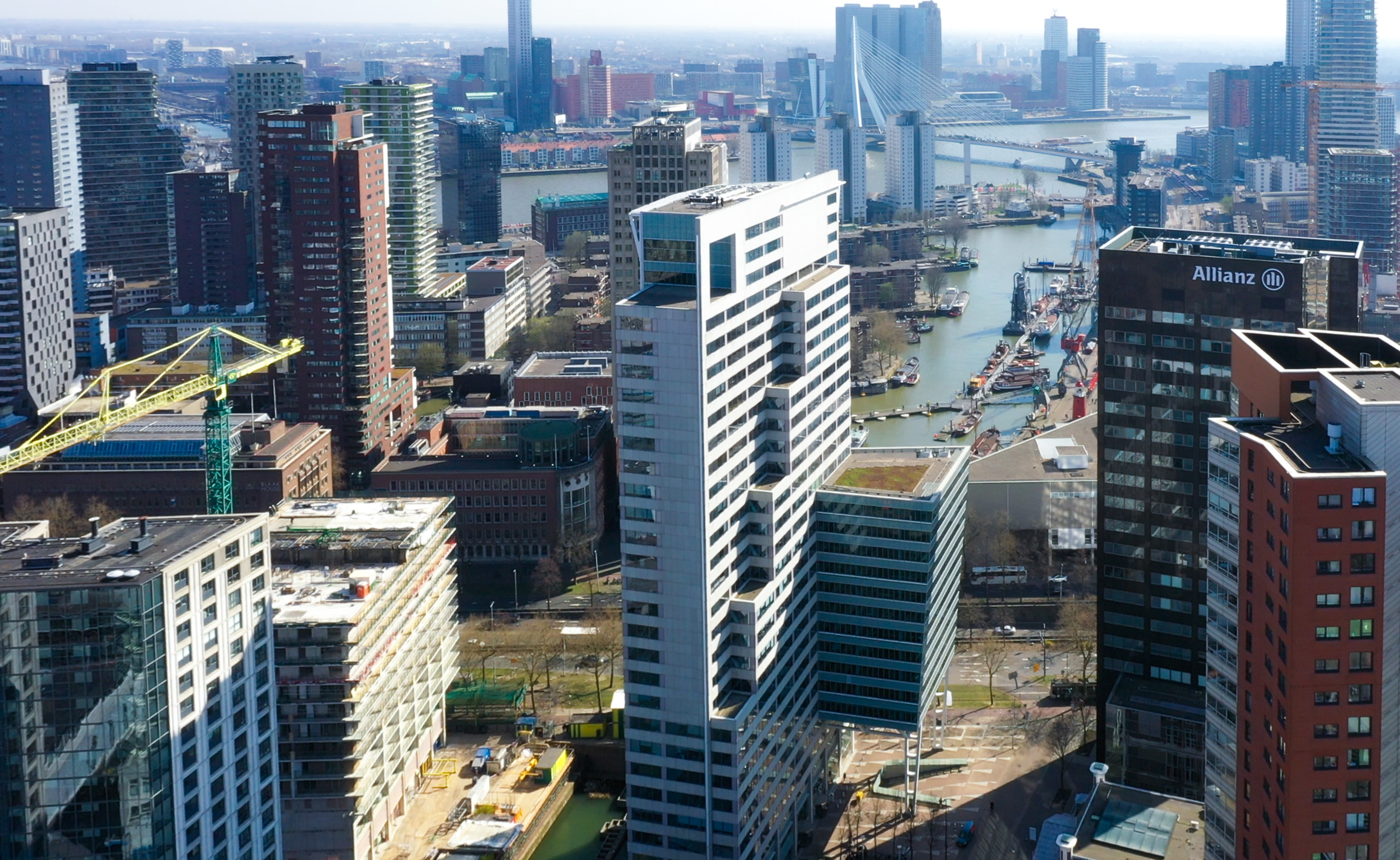
In Rotterdam, the office‑market crisis is unfolding in slow motion, Clarijs says. “In 2017, I graduated from ASRE with a thesis on the mismatch between supply and demand in the Rotterdam office market. The conclusion then was that planned new developments in the CBD represented only a fraction of the demand. And since then, not a single new office building has been delivered. Vacancy has dropped far below frictional levels. Frustratingly, the projects identified back then still haven’t started construction. Meanwhile, scarcity is increasing and any vacancy or new supply is absorbed quickly, like the 8,000 m² leased by SBM Offshore in the Groothandelsgebouw and the new 20,000+ m² AIR Offices, already three‑quarters leased.”
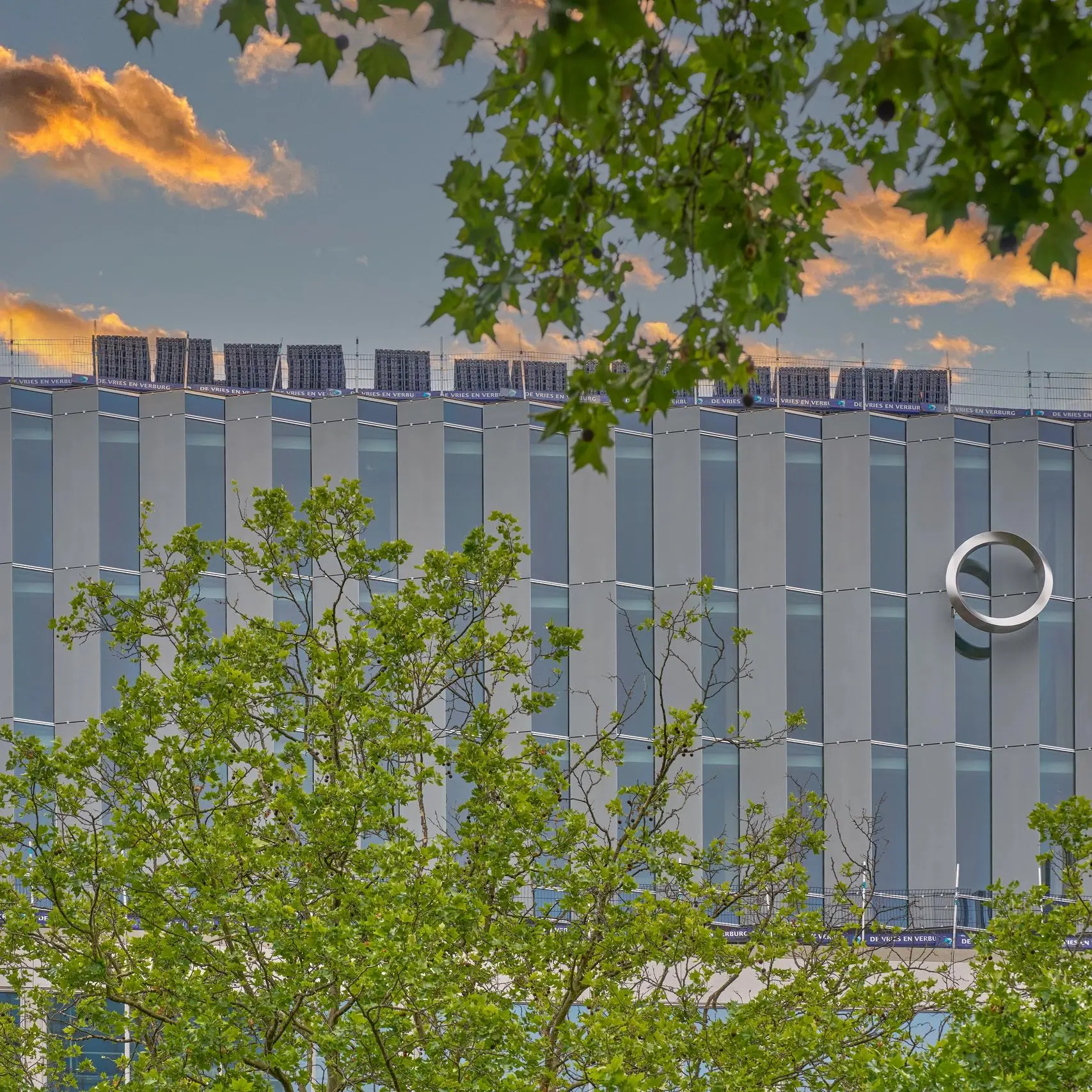
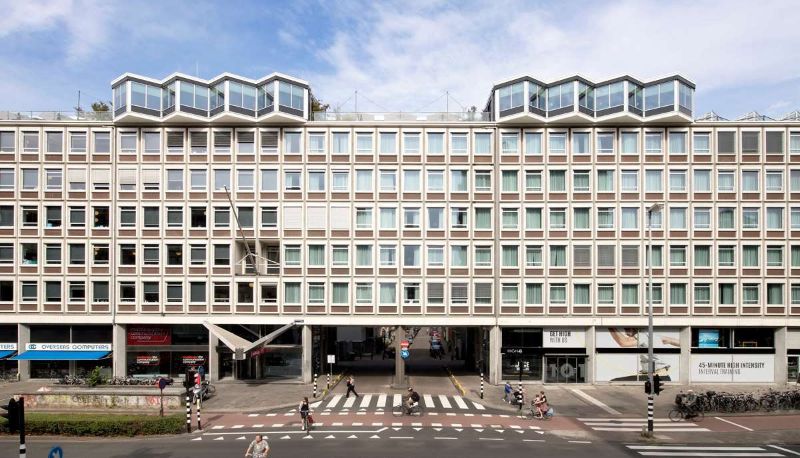
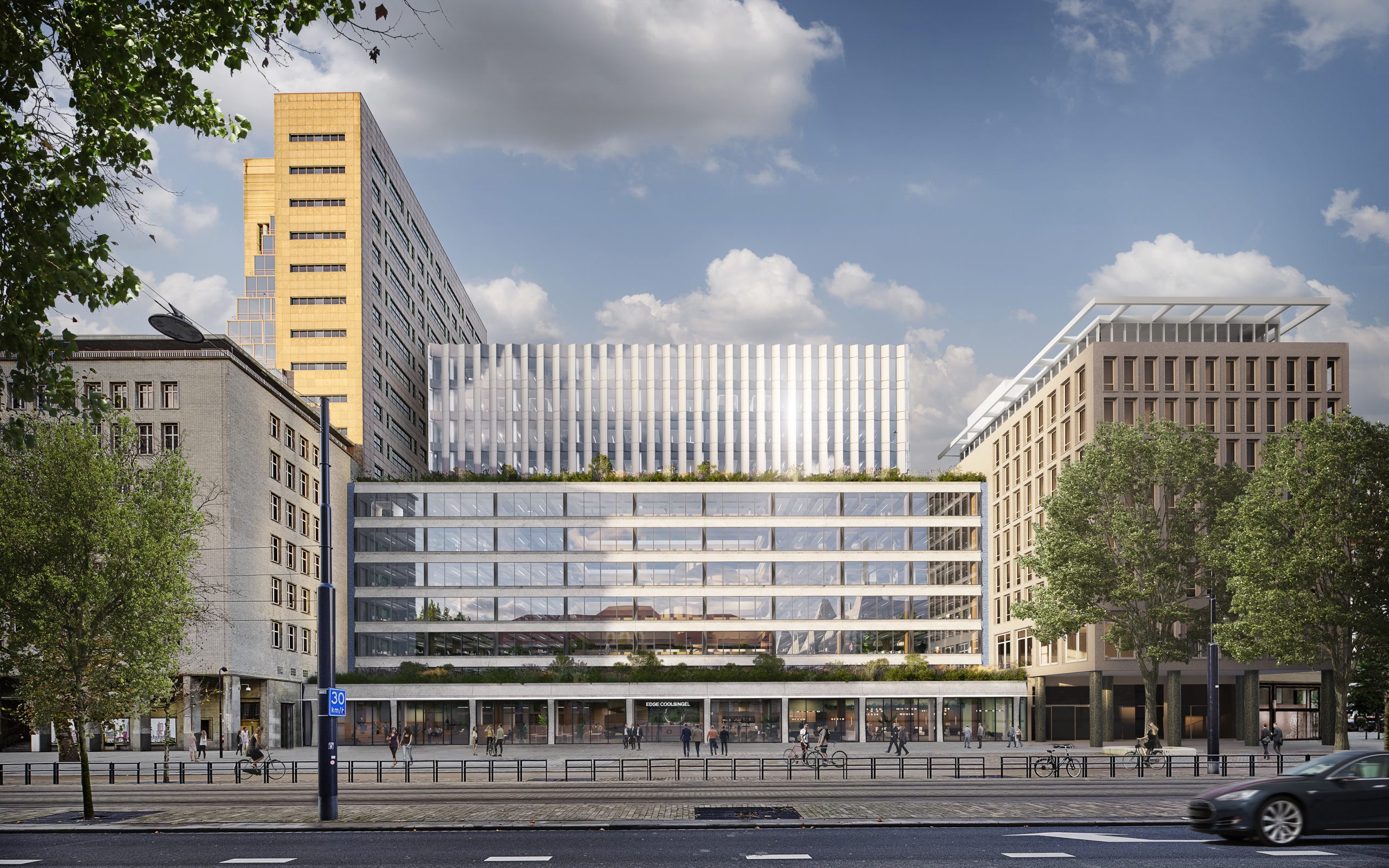
He finds it encouraging that Rotterdam’s city government wants to expand the office development pipeline. “But the city can’t build these projects; commercial parties must do that. New construction is a complex puzzle, often with a missing piece. Right now, financing large office projects is especially difficult. Banks consider offices too risky and demand high pre‑lease levels. Forward funding from institutional investors is practically impossible in today’s market. As a result, it takes a long time before developers can start building. Fortunately, some renovation projects are moving forward. Hopefully EDGE Coolsingel (EDGE), The Modernist (Maarsen Groep), Treehouse (Provast), and The Blue Zone Offices (LSI) will be built soon. The market is desperate for them.”
Banks holding back
Global sentiment is weighing heavily on the Dutch office development market. “Office real estate has fallen out of favor worldwide. Investors see the bloodbath in the US office market and the hits taken in London and some German cities. This affects institutional investors and banks, including in the Netherlands. Large US private equity firms and Dutch institutional investors are doing almost nothing in offices. It’s unwise for Dutch investors and banks to follow this trend. Investors and lenders should assess the office market per country, or even per city.”
For the Netherlands, that calculation would be favorable, he argues. “Office vacancy is below 5 percent, availability is extremely limited, and rental growth is strong. Prime rent in Rotterdam is now €300 per m² per year, up 25 percent in two years. While capital values are under pressure, the return is actually attractive for long‑term investors. The low investment volumes are largely due to the withdrawal of international capital. Many private equity funds only step in when there’s blood in the streets, like after 2008. They’re considering that now in US cities and London, where discounts reach 70 percent. But the Dutch market is performing too well for that. Office transactions over the past 18 months have closed at average discounts of around 30 percent. Given the stable economy and scarcity, I don’t expect much deeper discounts.”
Filling the gap
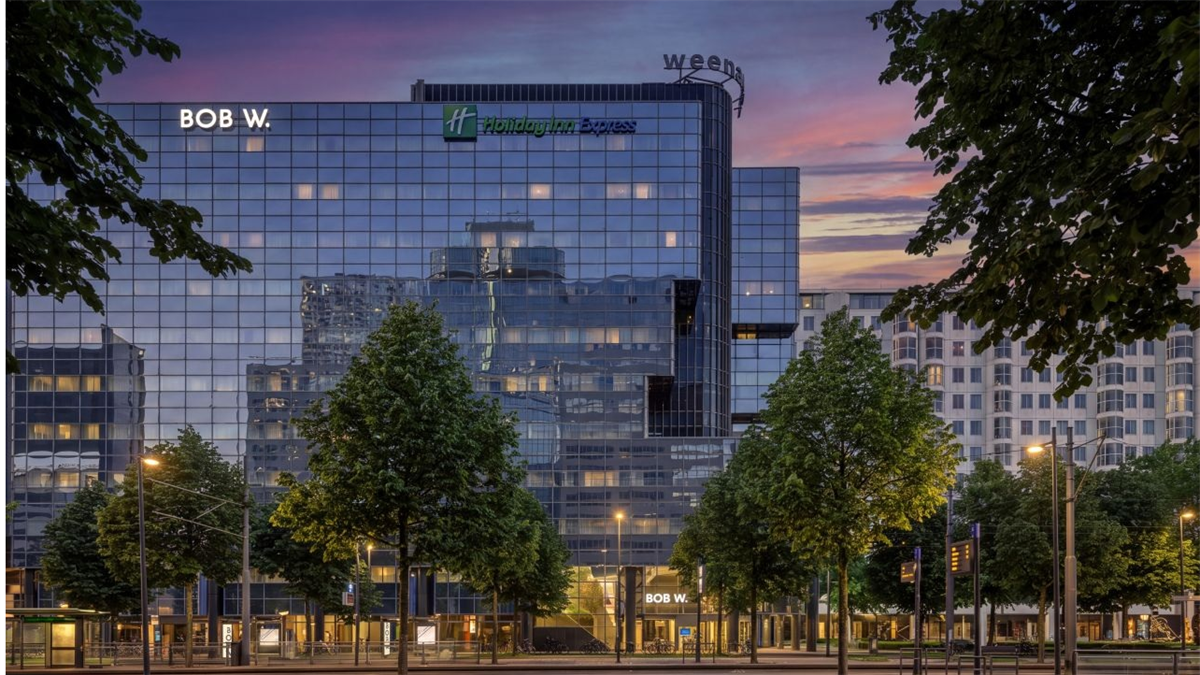
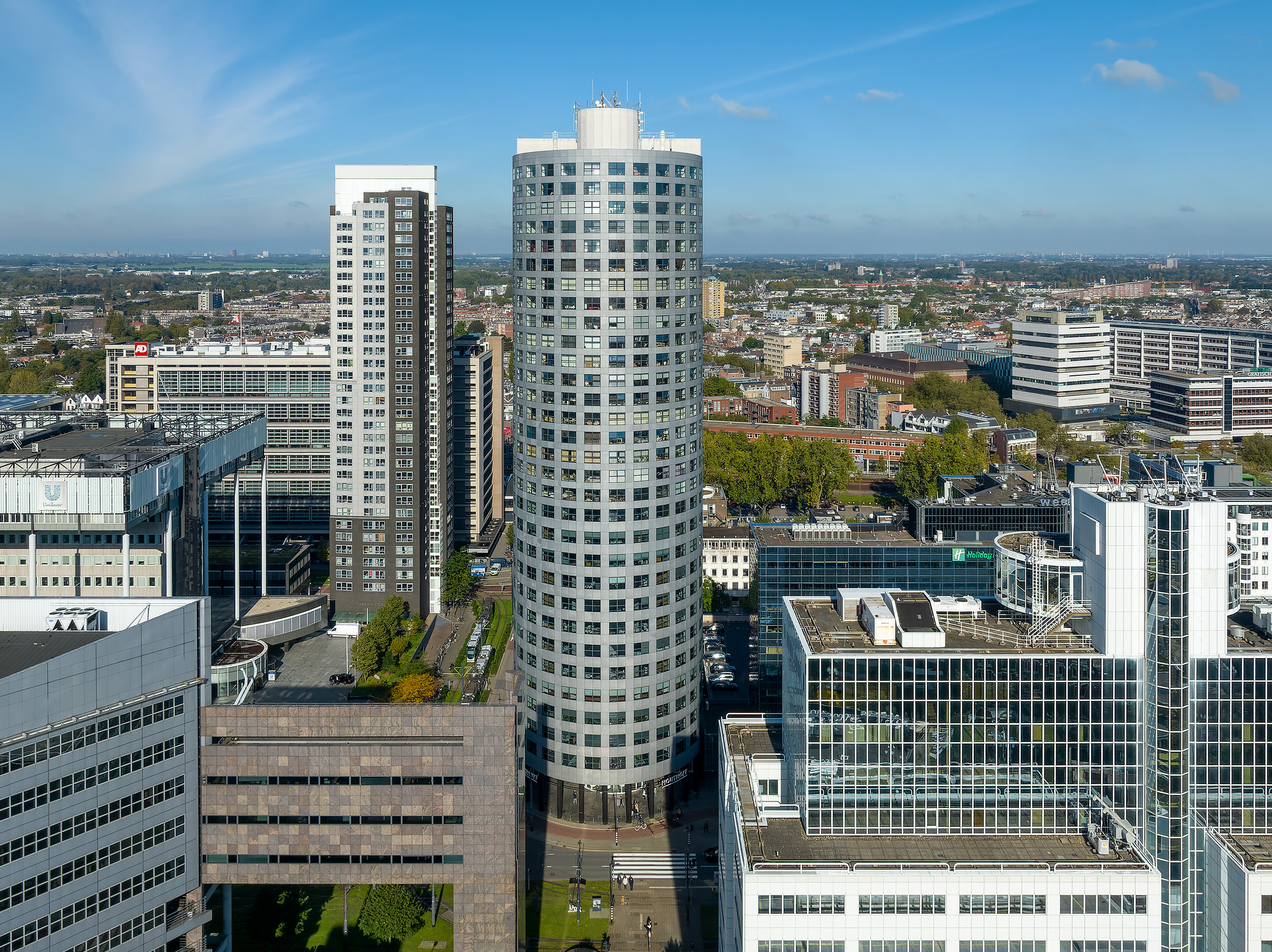
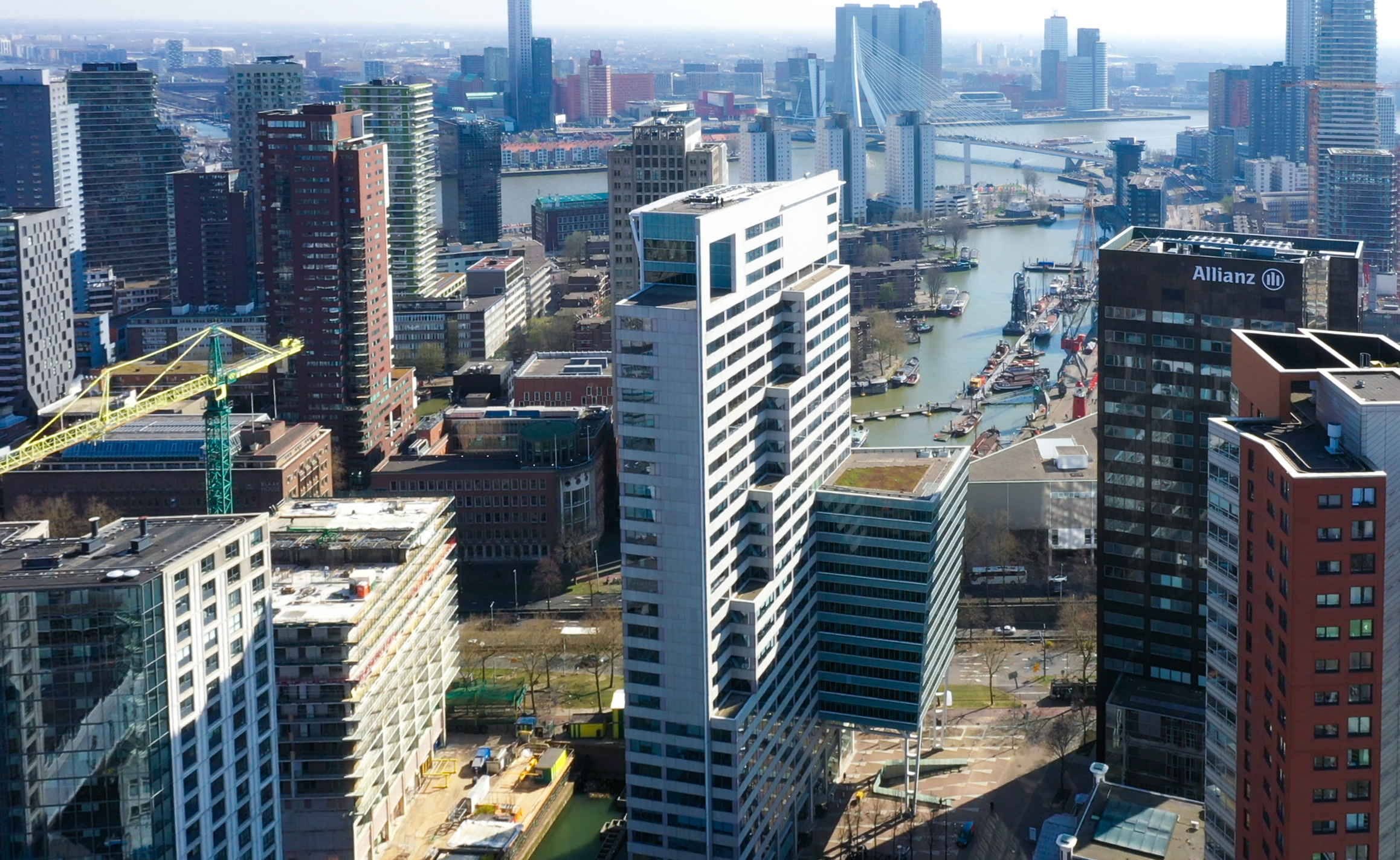
With institutional investors stepping back, private investors are filling the gap. “In today’s market, private investors can acquire assets that were out of reach for decades. Many offices previously owned by institutional investors are now becoming privately owned. Dudok Real Estate recently bought the Weena Tower in Rotterdam, and PingProperties acquired the Argonaut in Amersfoort, both formerly institutional assets. This trend will continue. Many private investors selling off their residential portfolios will want to reinvest in unregulated assets such as well‑located offices, industrial space, and retail.”
Tax advantage
Inventive investors are even finding ways to avoid the 10.4 percent transfer tax, Clarijs notes. “More parties are buying real estate vehicles through share deals. For example, First Sponsor bought Coolsingel 120 from Amundi last year via a share transaction, saving more than 10 percent in costs. It’s complex and comes with conditions, but sometimes feasible. For transaction volumes, it would be better if the tax were lowered for everyone. If a future government does that, it must take effect immediately after the announcement, otherwise the market will freeze until the reduction kicks in.”
According to him, investors buying now are entering at an attractive point in the cycle. “I don’t expect significant further price declines. With a healthy LTV and stable rental income, owners can continue paying interest and amortization. Refinancing is usually still possible. Especially near public transport hubs, offices are undervalued. Anyone waiting for the absolute bottom after interest rates fall will face more competition and rising prices.”
Read the article at: VG Visie.